Resources that can help you identify PBA
Resource
Library


Actor portrayal. Not a real PBA patient.
PBA and NUEDEXTA Resources
The Pseudobulbar Affect (PBA) and NUEDEXTA resource library contains many materials that can help you learn more about PBA, its impact, and available treatment. Access these resources below, including tips for managing PBA, useful document downloads, and additional ways to connect with others in the PBA community.
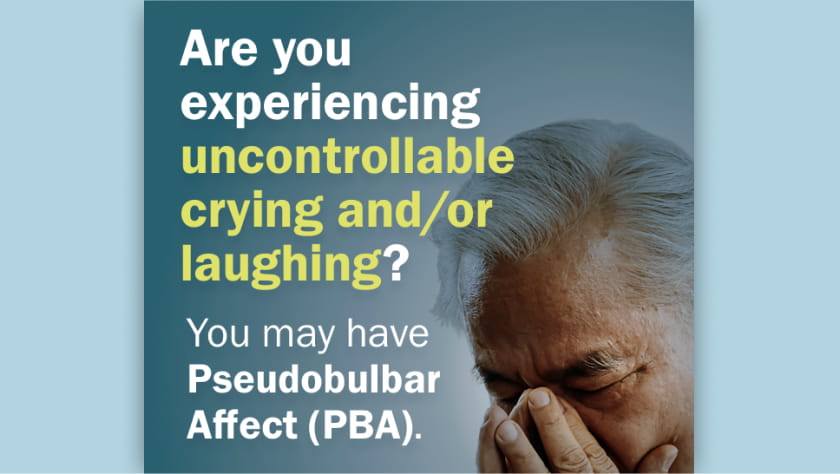
Here’s a quick reference about PBA, talking to a doctor, and treatment with NUEDEXTA, all in one place.
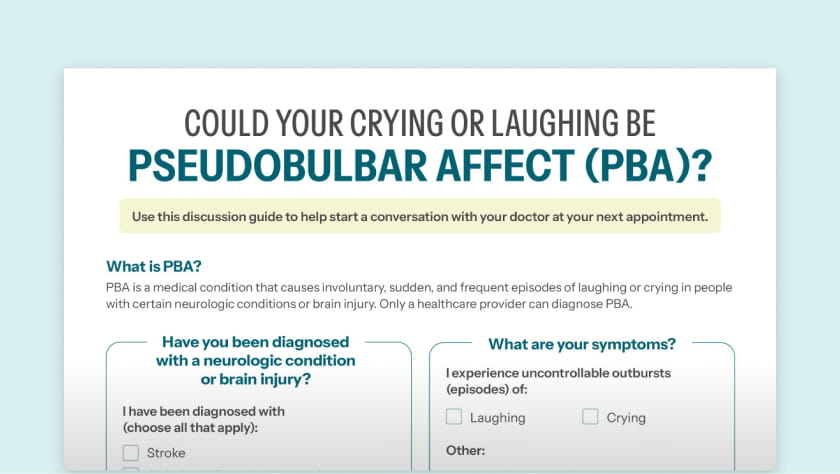
Use this guide as a checklist for symptoms you may be experiencing and to start a conversation with your doctor.
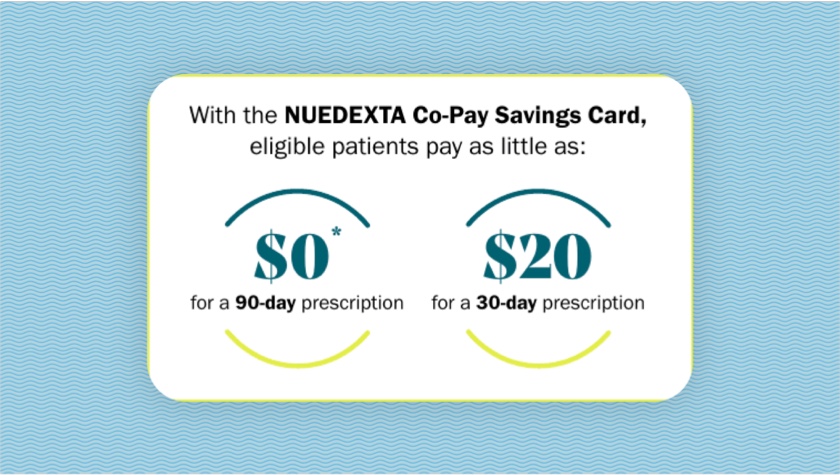
Looking for ways to save on your NUEDEXTA prescription? Sign up for the Co-Pay Savings Card.
Need additional support?
Our representatives are here for you. Connect with one at 1-833-468-7852, Monday - Friday, 8 a.m. - 8 p.m. ET, excluding holidays.
Don’t have health insurance or can’t afford NUEDEXTA?
There may be help available. See if you qualify for financial assistance by calling the Otsuka Patient Assistance Foundation at 1-855-727-6274.
PBA episodes can be very frustrating for the individuals who experience them and for those around them because the episodes can be easily misunderstood, leading to confusion and embarrassment. It’s important to know that you are not alone, and that many patients have had similar experiences. Here are some steps you can take to help navigate your PBA diagnosis:
- Ask your doctor about treatment options that may be right for you.
- Do not stop a treatment or management plan without first consulting your care provider.
- Continue to track the frequency and duration of episodes for further discussion with your doctor.
- Follow up on all medical appointments and communicate openly about your experience.
Pseudobulbar affect (PBA) episodes can be disruptive, confusing, and upsetting. Because PBA symptoms can look a lot like depression or other common mood disorders, it can be hard to understand and recognize as a separate and treatable condition before a formal diagnosis.
PBA is a psychiatric condition.
PBA is a neurologic condition,
not a psychiatric one.
You can “control” laughing
and/or crying episodes.
PBA is uncontrollable—exaggerated laughing or crying isn’t your fault.
Engage with communities on social media, and/or within primary condition associations.
Community Associations
Looking for additional resources specific to your situation? These groups may have relevant information: